Wild Summer Orange Floral Wreath Bees
A Designer’s First Look: Watercolor Charm Meets Embroidery Reality
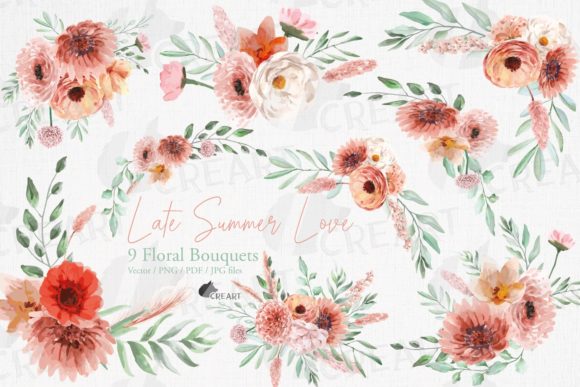
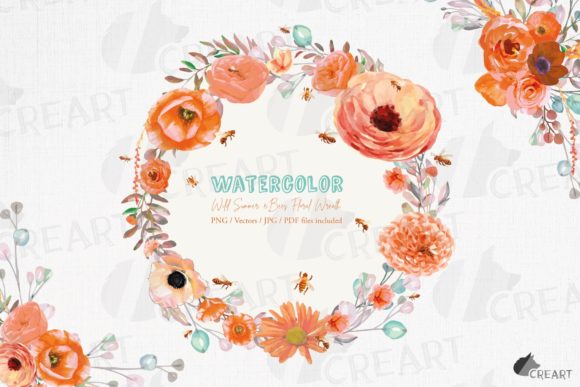
When I opened Wild Summer Orange Floral Wreath Bees, my instinct was to pause—not because it’s flashy, but because it breathes. Soft watercolor edges, hand-drawn botanical looseness, and those two small, friendly bees tucked into the orange-and-cream blooms give it quiet confidence. It doesn’t shout “embroidery design”—it whispers “invitation,” “personalized gift,” “thoughtful detail.” That’s both its strength and its first test: how well does that delicate, painterly mood translate when stitched in thread on real fabric?
What This Design *Wants* to Be—And Where It Shines
I sketched out a quick use case: a linen tea towel for a local bakery’s summer launch. The towel would feature Wild Summer Orange Floral Wreath Bees centered near the hem, stitched in soft peach, sage, and warm gold threads. Instantly, the design felt right—not too dense, not too literal. Its circular wreath shape frames space beautifully on flat, stable surfaces like towels, pillow covers, or aprons. As a print template originally built for wedding stationery, it carries intentional negative space and gentle scale—ideal for embroidery projects where subtlety reads as sophistication, not simplicity.
It works especially well for custom apparel with relaxed vibes: lightweight cotton sweatshirts, organic tote bags, or baby onesies where you want warmth without weight. The bees add whimsy without tipping into cutesy; the orange florals read joyful but grounded—perfect for boutique branding or handmade products that lean into seasonal, artisanal storytelling.
Where Embroidery Reality Requires a Pause
Let’s be clear: Wild Summer Orange Floral Wreath Bees is not a high-contrast, bold-outline machine embroidery design built for caps or performance fabrics. Its watercolor softness means fine details—like petal edges or bee wing veining—will blur or disappear if stitched too small or on textured fabric. On terry cloth towels, heavy denim, or loosely woven linen, those subtle gradients won’t read. And on dark fabric? You’ll need careful thread color selection and likely extra stabilizer to keep the light tones legible.
I’d avoid using it full-size on curved surfaces like baseball caps unless significantly simplified first. Same goes for tiny hoop sizes (under 4” diameter): the wreath’s balanced composition depends on breathing room. Crowding it shrinks the charm—and risks losing the bees entirely in stitch density. Also, skip it for layered garments (think reversible jackets) or items needing frequent machine washing unless you’ve tested durability with your chosen thread and stabilizer combo.
Stitching Clarity & Customer Perception
Here’s what matters most to me as a designer selling finished pieces: how will this affect buyer trust and perceived value? When customers see Wild Summer Orange Floral Wreath Bees on an Etsy listing for embroidered nursery pillows, they’re buying mood—not just motif. That watercolor softness signals care, intention, and handmade authenticity. But if the stitch execution flattens the depth or drowns the bees in satin stitch, it reads generic instead of special.
For craft business owners, this design adds quiet professionalism. It doesn’t compete with typography or photos—it complements them. In printable mockups or digital product previews, it elevates listings without overwhelming. But remember: its strength lies in restraint. Over-stitching, oversaturating thread colors, or forcing it onto mismatched products (e.g., rugged trucker hats) weakens its voice.
Practical Notes Every Embroidery Designer Should Check
- Test first—on scrap fabric matching your final product’s weight and texture. See how the orange tones hold up in peach vs. rust thread.
- Review stitch density carefully. Watercolor-inspired fills often use lighter fill stitch or strategic running stitch to mimic transparency—don’t auto-convert to heavy satin without checking.
- Confirm hoop size compatibility. If your intended product uses a 5x7 hoop, verify the design fits comfortably within that frame—including clearance for jump stitches.
- Inspect small details at actual stitch-out size. Those bees? They’re charming—but if they’re under 8mm tall post-stitch, they may vanish.
- Try black-and-white mockups. Does the shape still read clearly without color cues? That tells you how well it’ll translate across fabric backgrounds.
- Use appropriate stabilizer. Light cutaway or tear-away works for stable fabrics; add topping for napped or textured surfaces.
- Check licensing before selling finished items or bundling Wild Summer Orange Floral Wreath Bees as part of a digital embroidery file pack. As a graphics asset marketed for invitations and party decor, commercial use rights aren’t implied—verify before scaling.
Final Thought: A Design That Earns Its Place
Wild Summer Orange Floral Wreath Bees isn’t a workhorse logo or a versatile monogram—it’s a moment. It belongs on the linen napkin folded beside a wedding place card, the pocket of a handmade apron gifted to a new baker, the corner of a baby blanket stitched with care. It rewards thoughtful pairing, respectful scaling, and honest stitching. Used well, it deepens emotional connection. Used hastily, it fades into background noise. For Etsy sellers, small shop products, and designers building recognizable, seasonally resonant collections—this is the kind of design asset that quietly lifts your whole line. Just remember: let it breathe, stitch with intention, and always ask—does this feel like the finished product my customer imagined?